


Rwanda Vunga
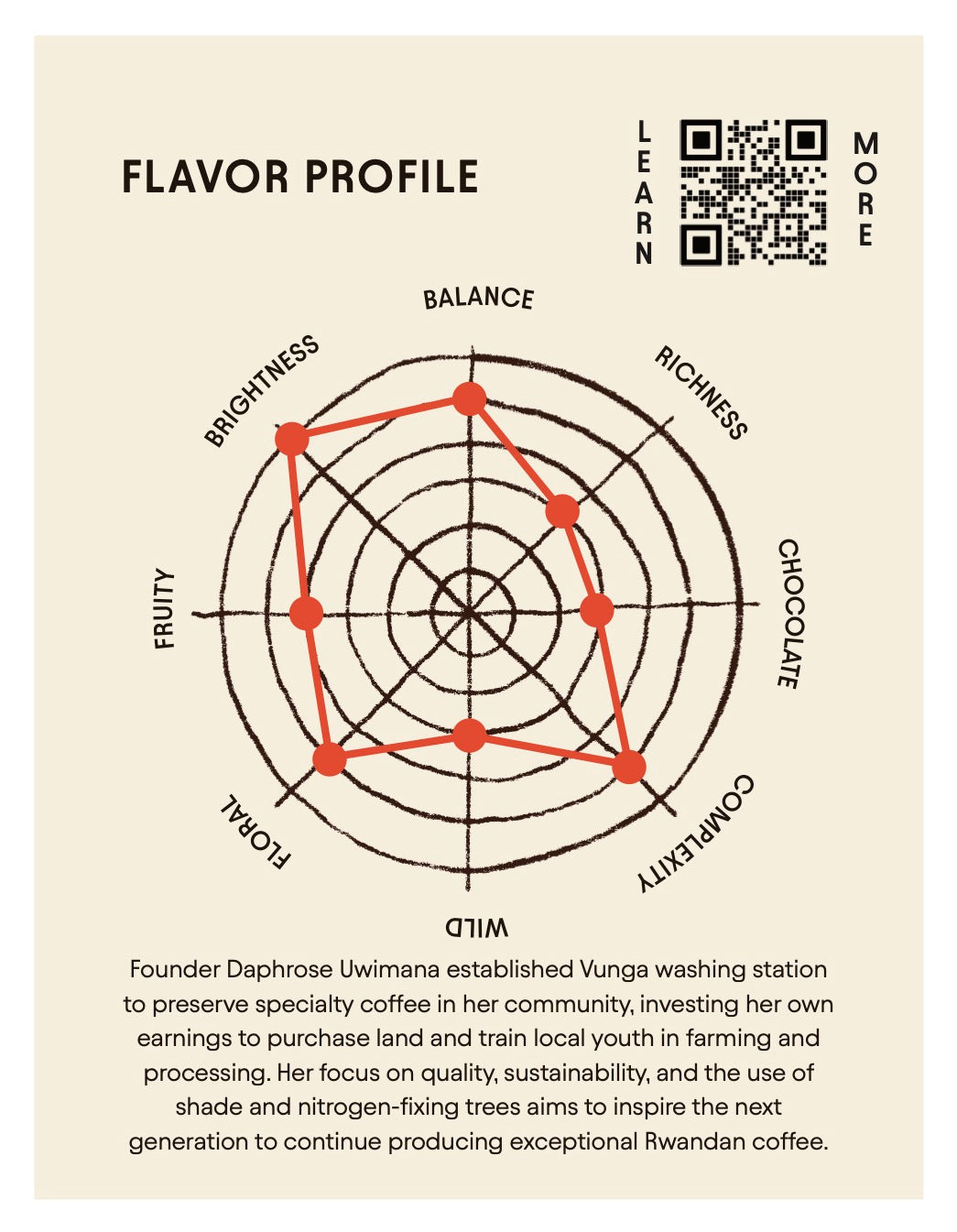
Sparkly and sweet notes of orange soda are complemented by a juicy pomegranate toned brightness, a silky body and an elegant, rose water and black tea aroma.
We roast and ship Monday - Friday.
Orders received before 9am typically ship same day.
Couldn't load pickup availability


Technical Information
Producer: Small-holder producers serviced by the Vunga Washing Station
Region: Nyabihu, Western Provence, Rwanda
Harvest: Summer 2025
Varietal(s): Red Bourbon
Process: Fully-washed, Double Fermentation
Altitude: 1,650 - 2,000 masl
Agtron Gourmet Color: 105 (light)
Exporter: Higa Coffee
Importer: Higa Coffee
Recommended Resting Time: 2-3 weeks
Coffee Story
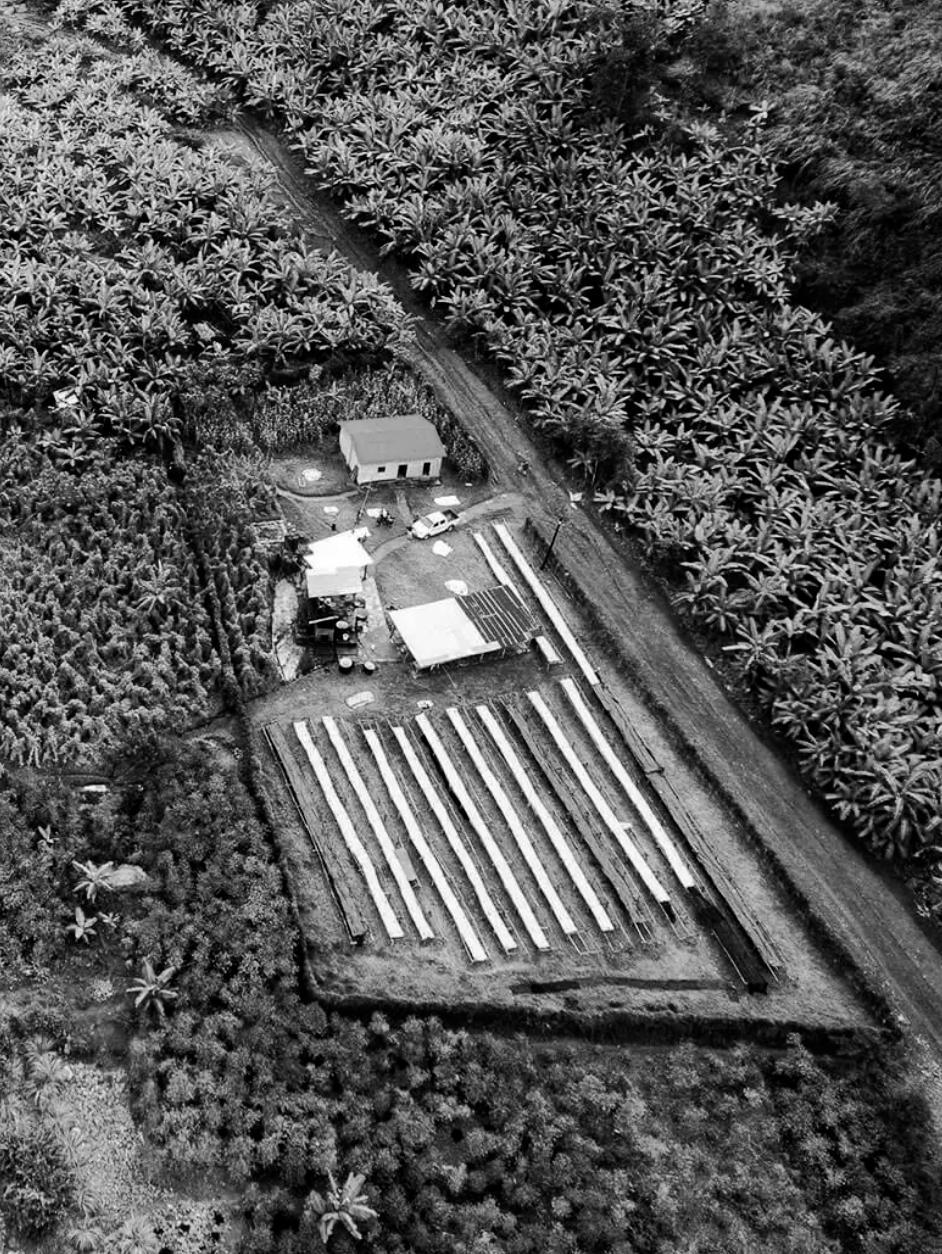
Vunga is a small but highly regarded washing station in Rwanda’s Nyabihu District, near the borders with Uganda and the Democratic Republic of Congo. Founded in 2009 by Daphrose Uwimana, it is woman-owned and managed, and has become known for producing exceptional coffees that have earned top placements in the Rwandan Cup of Excellence. Daphrose’s leadership has fostered a close network of women producers, combining mentorship with rigorous quality standards.
From the beginning, she recognized the threat posed by declining youth interest in coffee farming. To address this, she invested her own coffee earnings into land purchases, creating opportunities to train young people in cultivation and processing. Her vision is to raise coffee quality in the region while ensuring it remains a viable livelihood for future generations, inspiring them to carry forward the area’s specialty coffee tradition.
Collapsible content
Varietal
Bourbon is one of the most widely known and oldest varietals of Arabica. The varietal was introduced to and named after the island of Bourbon (now known as Reunion Island) by French missionaries from Yemen in the early 1700s. It spread through Africa and the Americas in the mid 1800s. Many varietals today have a lineage tied to the Bourbon varietal. Bourbon is known to have great cup quality but has medium-low volume per-plant production and is susceptible to all of the major coffee diseases.
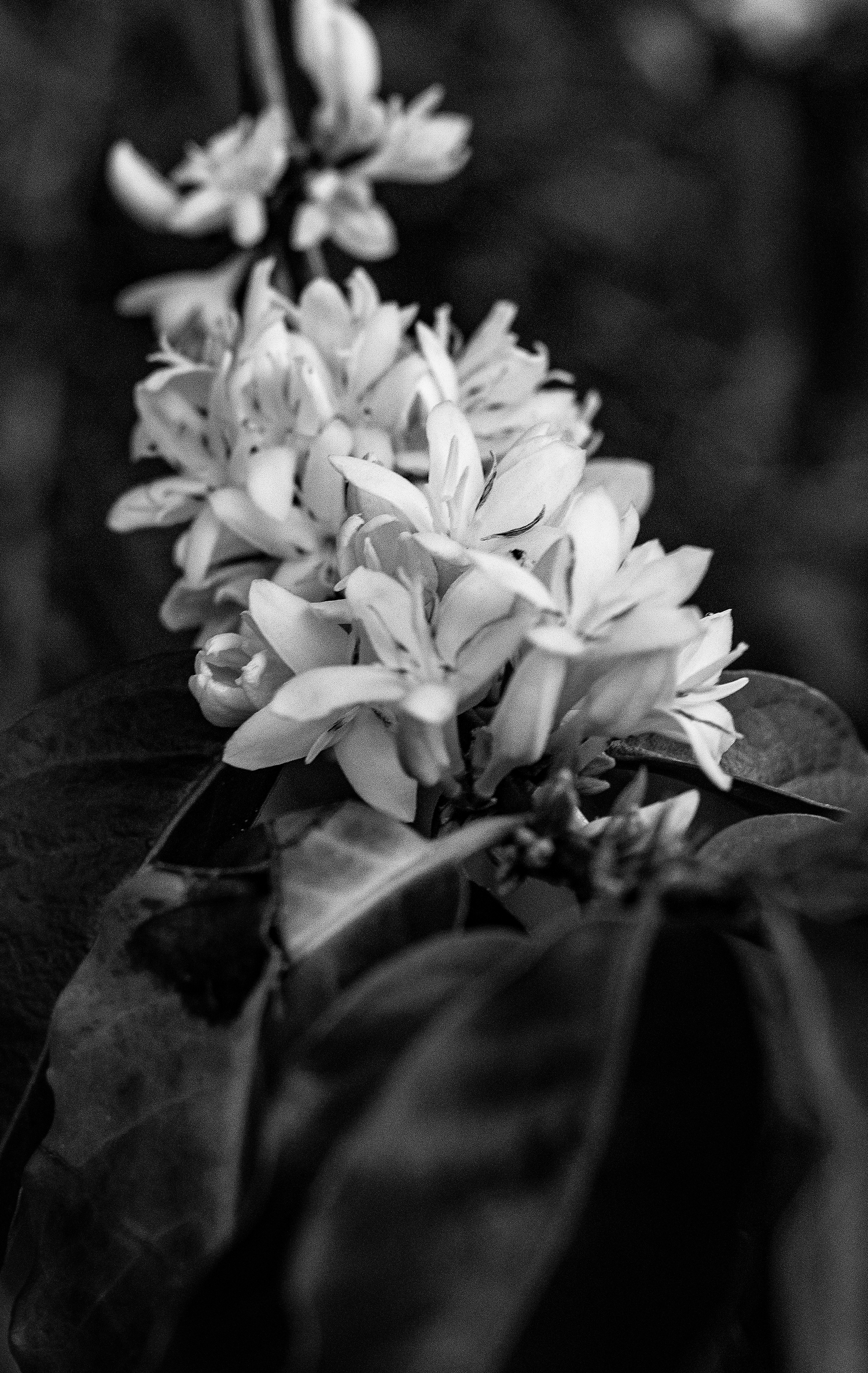
Bourbon can produce various color cherries - red, orange, yellow, purple - with red being the most common. The famous, but misnamed, "pink bourbon" of Colombia is not a bourbon at all but rather a cross of Ethiopian Landrace and Colombian hybrids.
Processing
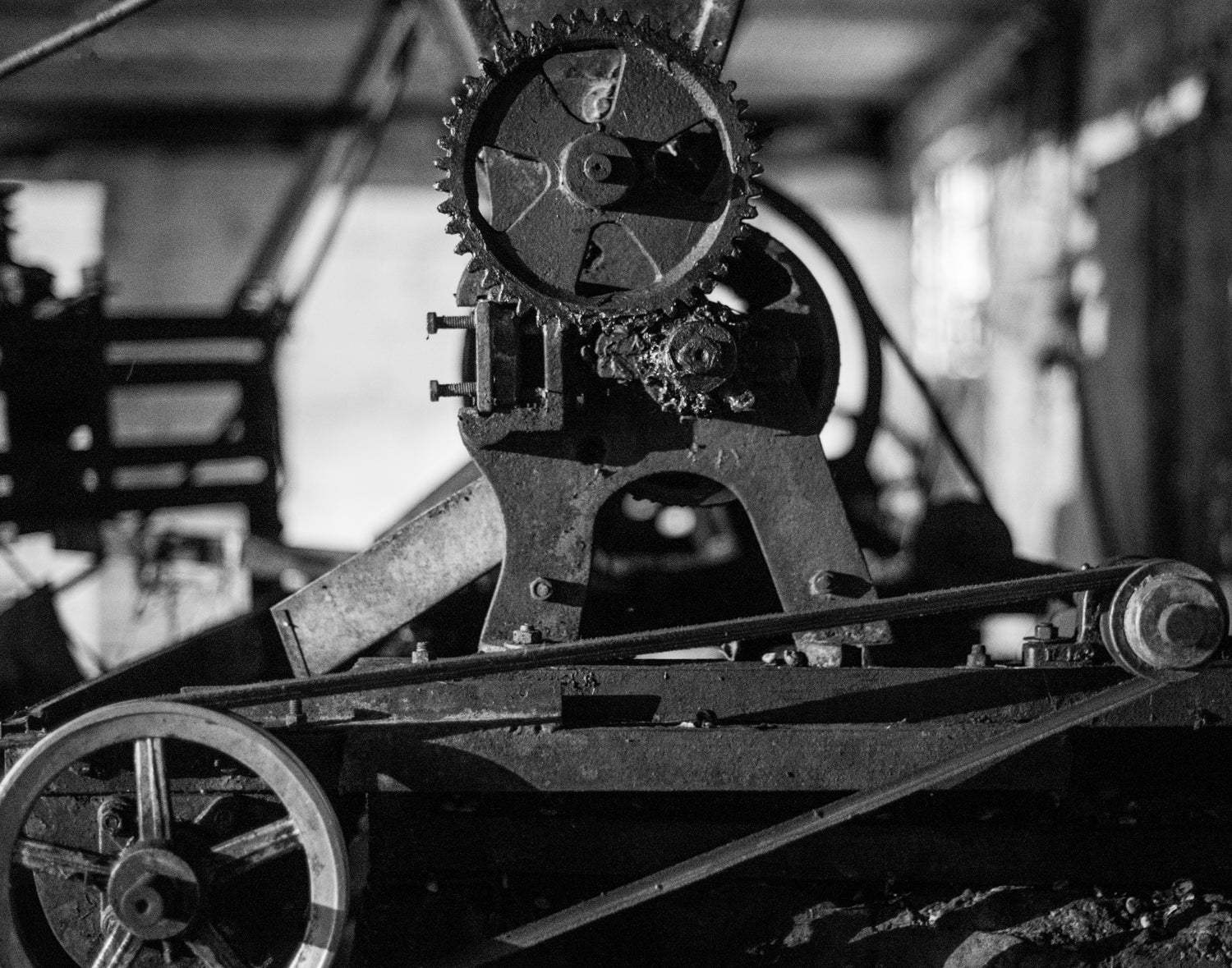
This coffee is washed using the double fermentation process typical in East Africa. After the coffee cherries are delivered to the mill, they are floated in clean water to separate the less dense (damaged, unripe and overripe) cherries from the ripe. After floating, the cherries are then depulped and are dry-ferementd in open air tanks for 12-24 hours.
After the initial fermentation is complete, the seeds are washed and gravity sorted using washing channels. The dense seeds are then soaked in clean water in fermentation tanks for 24-48 hours.
After soaking, the coffee is moved to shaded, raised beds where it is then sorted again to remove any remaining defects.
After the initial shade drying the coffee is then moved to raised beds in the sun where it dries to 11% moisture before being sent to the dry mill for additional grading, sorting and preparation for export.
Terroir
Rwanda is perfectly situated to produce world class coffees and this has shown in the coffee that we have sourced from the country the past few years. The flavor profile reminds us of a cross between Kenyan and Ethiopian coffees typically with a creamy body, vibrant, juicy acidity (typically more balanced that that of the typical Kenyan flavor profile) and strong citrus, floral and spiced aromas typically complemented by black tea and bergamot notes. The balance that the Rwandan flavor profile shows in the cup is reminiscent of the best Central American coffees.
Rwandan coffee is grown primarily in red volcanic soil on very small farms situated at high altitudes typically ranging between 1700 and 2000 meters above sea level. Due to the small farm size, the vast majority of coffees are not processed by the grower but rather cherries are delivered to washing stations where they are they are cooperatively processed based on the quality of the delivery.