


Ecuador - Galo Morales - Natural Sidra
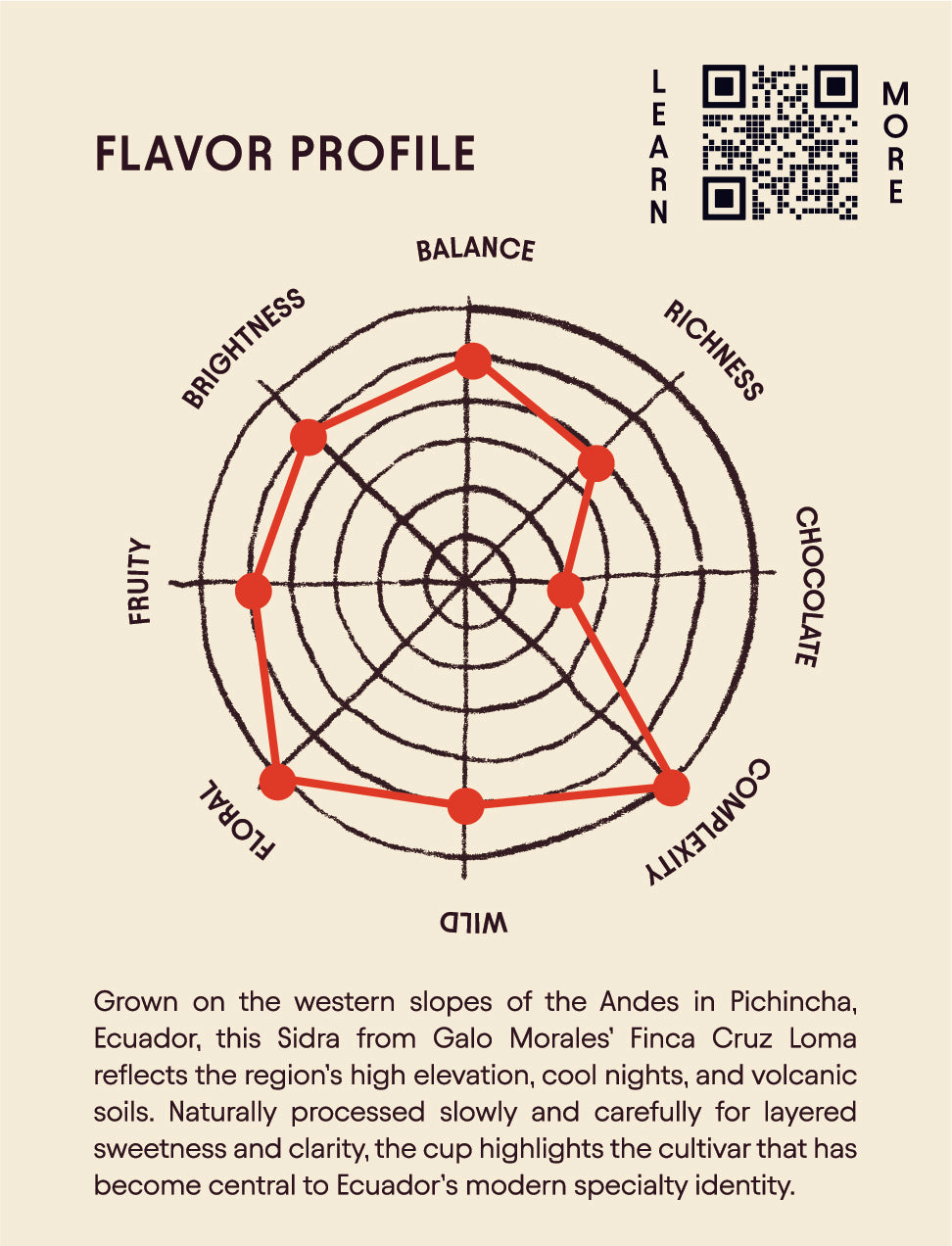
A fresh jasmine aroma opens the cup, followed by notes of Juicy Fruit and strawberry yogurt, supported by a bright, juicy acidity and creamy body.
This coffee is available as whole bean only.
We roast and ship Monday - Friday.
Orders received before 9am typically ship same day.
Couldn't load pickup availability


Technical Information
Producer: Galo Morales
Region: San Jose de Minas, Pichincha, Ecuador
Harvest: Summer 2025
Varietal(s): Sidra
Process: Natural Process
Altitude: 1450 masl
Exporter: Sensum
Importer: Bold Bean
Agtron Gourmet Color: 105 (light)
Coffee Story
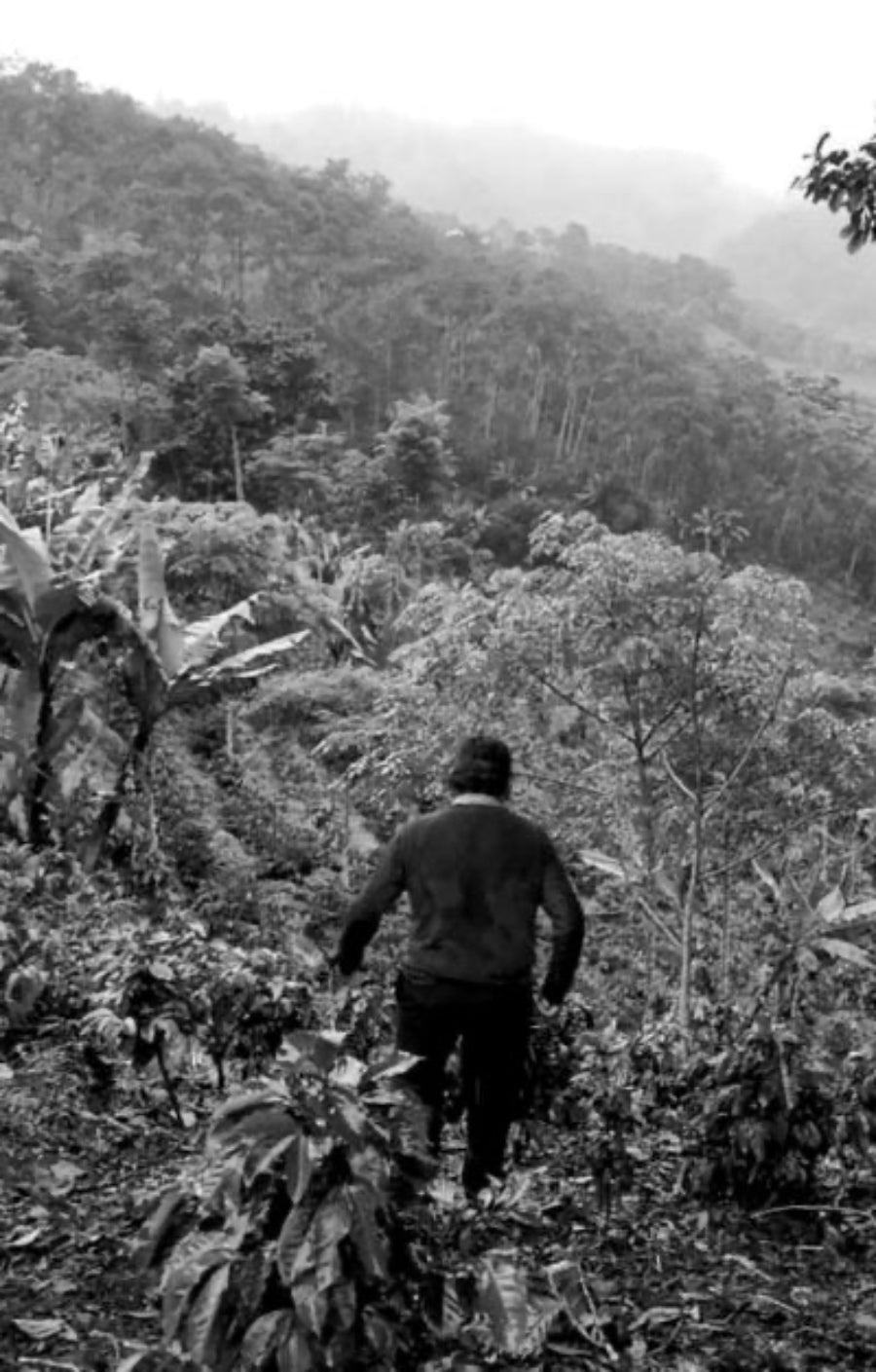
Finca Cruz Loma is located on the western slopes of the Andes in Ecuador’s Pichincha province, where high elevation, cool nights, and volcanic soils create ideal conditions for slow cherry development. The farm is managed by Galo Morales, a producer focused on precision at every stage of cultivation and harvest. Steep terrain and shifting mountain weather require careful hand selection, reinforcing a quality-driven approach shaped by environment rather than intervention.
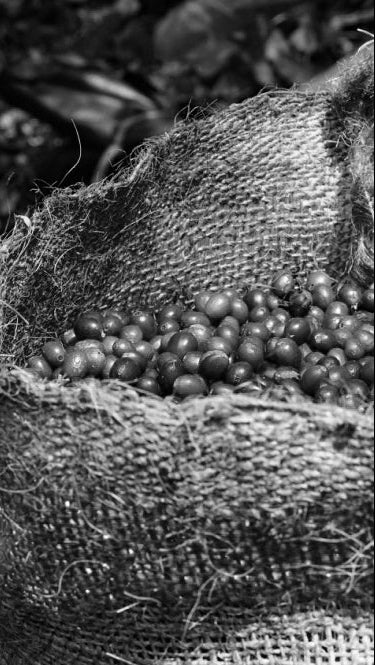
This lot was processed as a natural, with whole cherries dried intact to allow fermentation to progress gradually. Cooler temperatures at elevation slow microbial activity, resulting in a controlled fermentation that builds sweetness and texture without overpowering the coffee’s inherent structure. Careful drying preserves clarity while enhancing fruit expression, producing a cup that is layered but restrained.
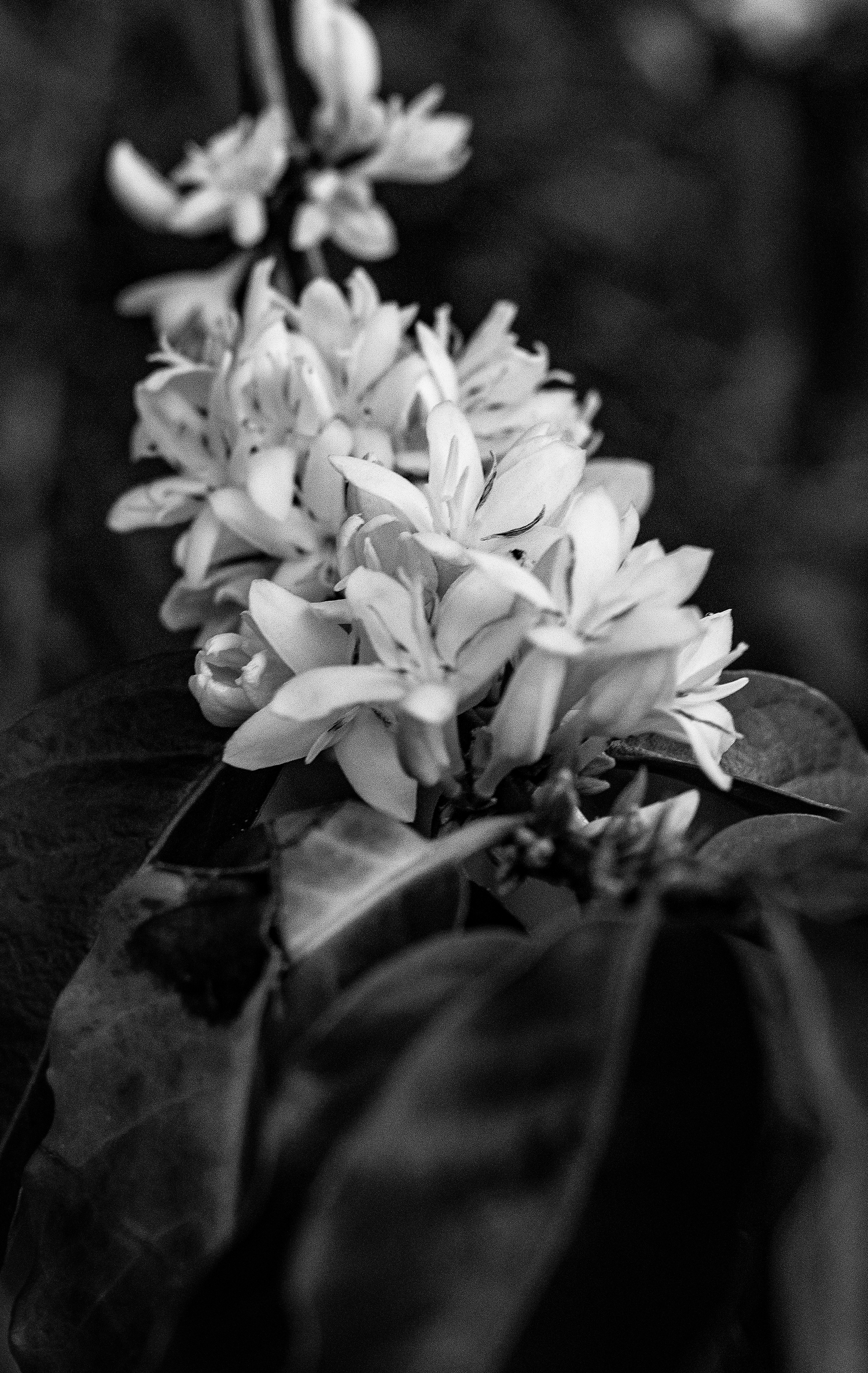
The cultivar is Sidra, widely regarded as Ecuador’s most significant modern coffee variety. Though its exact genetics remain uncertain, Sidra was selected locally for its cup quality and adaptability to high-altitude conditions. Over the past decade, it has become central to Ecuador’s specialty identity, recognized for its floral aromatics, vibrant acidity, and refined sweetness.
At Cruz Loma, Sidra expresses with balance and definition. The natural process amplifies fruit character while maintaining transparency, supported by a clean structure and soft, lingering finish. The result reflects the direction of Ecuadorian coffee today: deliberate, origin-driven, and built on clarity rather than excess.
Collapsible content
Varietal
Sidra is a modern cultivar closely associated with Ecuador, where it was selected and propagated over the past two decades for its exceptional cup quality and adaptability to high-elevation growing conditions.
While its precise genetic lineage remains debated, Sidra is widely believed to descend from Bourbon and Typica populations introduced to the country in the mid-20th century. The cultivar gained prominence through early experimental plantings near Pichincha and Loja, where it consistently demonstrated high sweetness, floral aromatics, and vibrant acidity.
Though capable of producing extraordinary cup profiles, Sidra is relatively low-yielding and sensitive to environmental stress, requiring careful farm management and selective harvesting. Its rise has played a central role in Ecuador’s reemergence as a recognized specialty coffee origin.
Processing
For this lot, only fully ripe cherries are harvested before being washed to remove surface debris and floaters. The cleaned cherries are then sealed in fermentation tanks for approximately 24 hours, allowing controlled microbial activity to begin breaking down sugars within the fruit. This step establishes the foundation for sweetness and fruit expression while limiting excessive or uneven fermentation.
Following fermentation, cherries are transferred intact to raised beds beneath shaded canopies. Drying progresses slowly over several weeks, with cherries turned frequently to ensure even moisture reduction. Shade management is critical at this stage, as it tempers daytime heat and prevents rapid drying that can trap moisture within the seed. The result is a natural process coffee that maintains clarity and structure while expressing the fruit-forward character developed during fermentation.
Terroir
Finca Cruz Loma is located in Ecuador’s Pichincha province on the western slopes of the Andes, where steep terrain, high elevation, and persistent cloud cover create a cool, slow-ripening environment. Volcanic soils contribute mineral density and strong drainage, while equatorial sun provides consistent daytime energy balanced by sharp nighttime temperature drops. Frequent mist and airflow from the Pacific corridor moderate heat and extend maturation, allowing sugars and organic acids to develop gradually. These conditions produce coffees with pronounced sweetness, structured acidity, and a naturally elegant profile defined by clarity and balance rather than intensity.