
Ethiopia - Guji Uraga Washed
A clean and vibrant cup with elegant notes of peach and jasmine complemented by a cotton candy sweetness.
Producer: Various small-holder producers - Uraga Washing Station
Region: Uraga, Guji Zone, Ethiopia
Harvest: December to February 2025
Varietal(s): Ethiopian Heirloom
Process: Fully Washed
Altitude: 2100-2400 masl
Exporter: Gujoo Exporting
Importer: Emba Coffee Imports
Agrton Gourmet Color: 108 (light)
Guji is a remote and storied zone in Ethiopia’s southern Oromia Region, home to the Oromo people—who speak their own distinct language, setting them culturally apart from the Amharic-speaking north. Each woreda (district) in Guji has its own rhythm, traditions, and approach to coffee cultivation, contributing to the remarkable diversity that defines Ethiopian coffee.
As demand grows for more refined processing, small washing stations are springing up across Guji. These new hubs are helping unlock the full spectrum of the region’s coffee potential—floral, vibrant, and complex.
The Uraga Washing Station, one of many small washing stations springing up across Guji, is nestled in the high-altitude forests, where elevation, climate, and heirloom varieties come together to produce highly expressive coffees. With altitudes ranging from 2,150 to 2,400 masl, the region is renowned for its slow cherry maturation, which results in dense beans and a crisp, clean cup profile.
The Ganale Dorya River flows through the land, a vital source of fresh water and a natural border between Guji and neighboring Bale. This particular coffee is fully washed at a central station, where meticulous care is given to every step of the process.
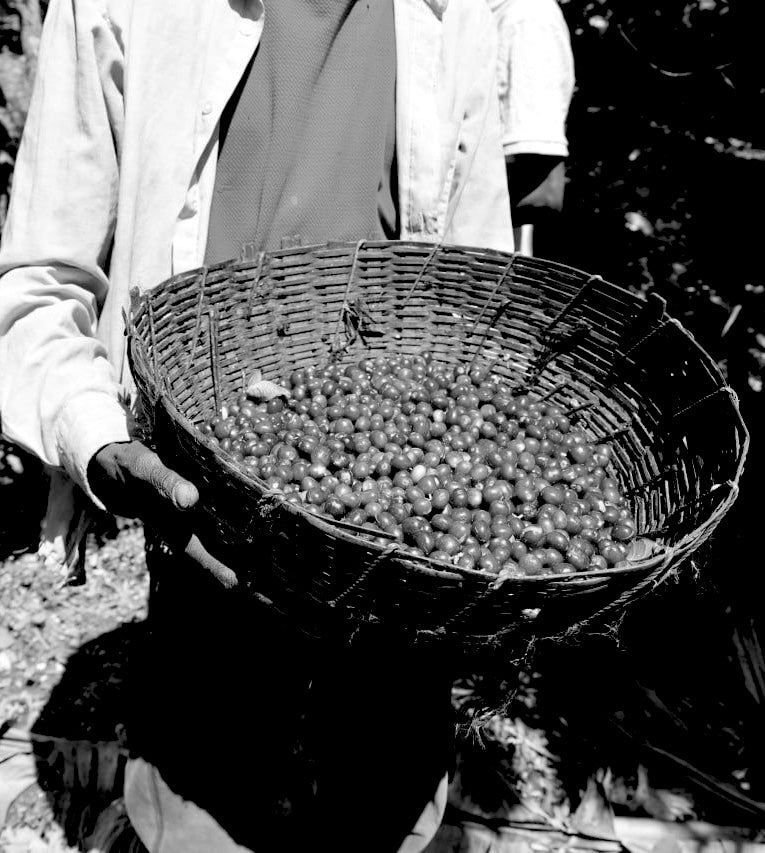
Farmers hand-deliver ripe cherries, which are floated to remove any defective or underripe fruit. The selected cherries are pulped, then fermented for 36–48 hours, allowing the sugars and mucilage to break down gently, influenced by ambient temperatures. Next, the beans are washed in clean water channels that also help grade their density, before being laid out to dry on raised African beds.
Over 12–15 days, the coffee slowly dries under the sun. Workers carefully rake the parchment by hand throughout the day to ensure even drying, and protect it with covers during the hottest hours and overnight to shield it from rain and excess moisture.
The result is a clean, expressive coffee that captures not just the landscape, but the spirit and care of the people who bring it to life.