


Peru - Cati Simon
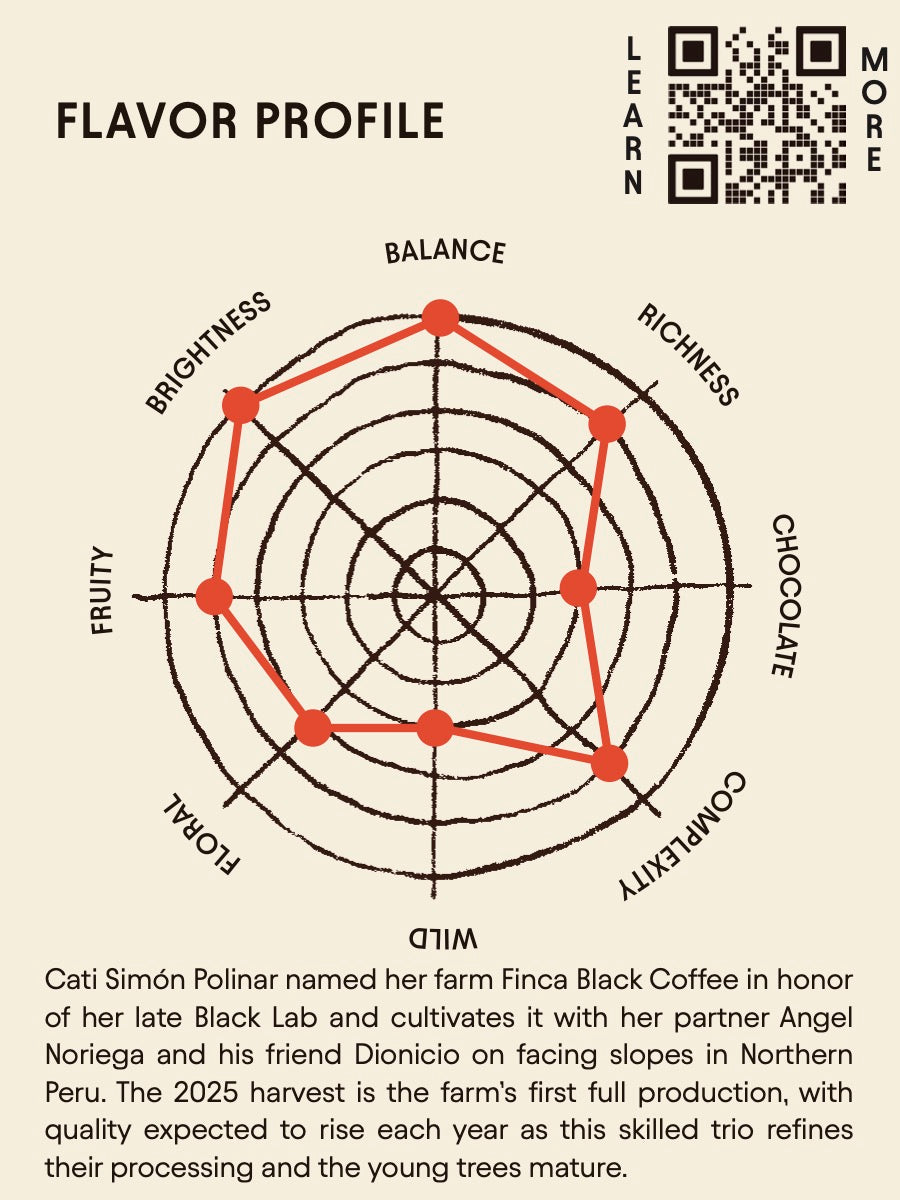
A decadent fudginess is complemented by an elegant floral aroma and sweet and spicy notes of tupelo honey.
Couldn't load pickup availability


Technical Information
Producer: Cati Simon Polinar
Region: Belen, Rioja, Peru
Harvest: Summer 2025
Varietal(s): Bourbon, Caturra and Pache
Process: Fully-washed
Altitude: 1,650 masl
Agtron Gourmet Color: 98 (light)
Exporter: Swift Coffee Sourcing
Importer: Swift Coffee Sourcing
Coffee Story
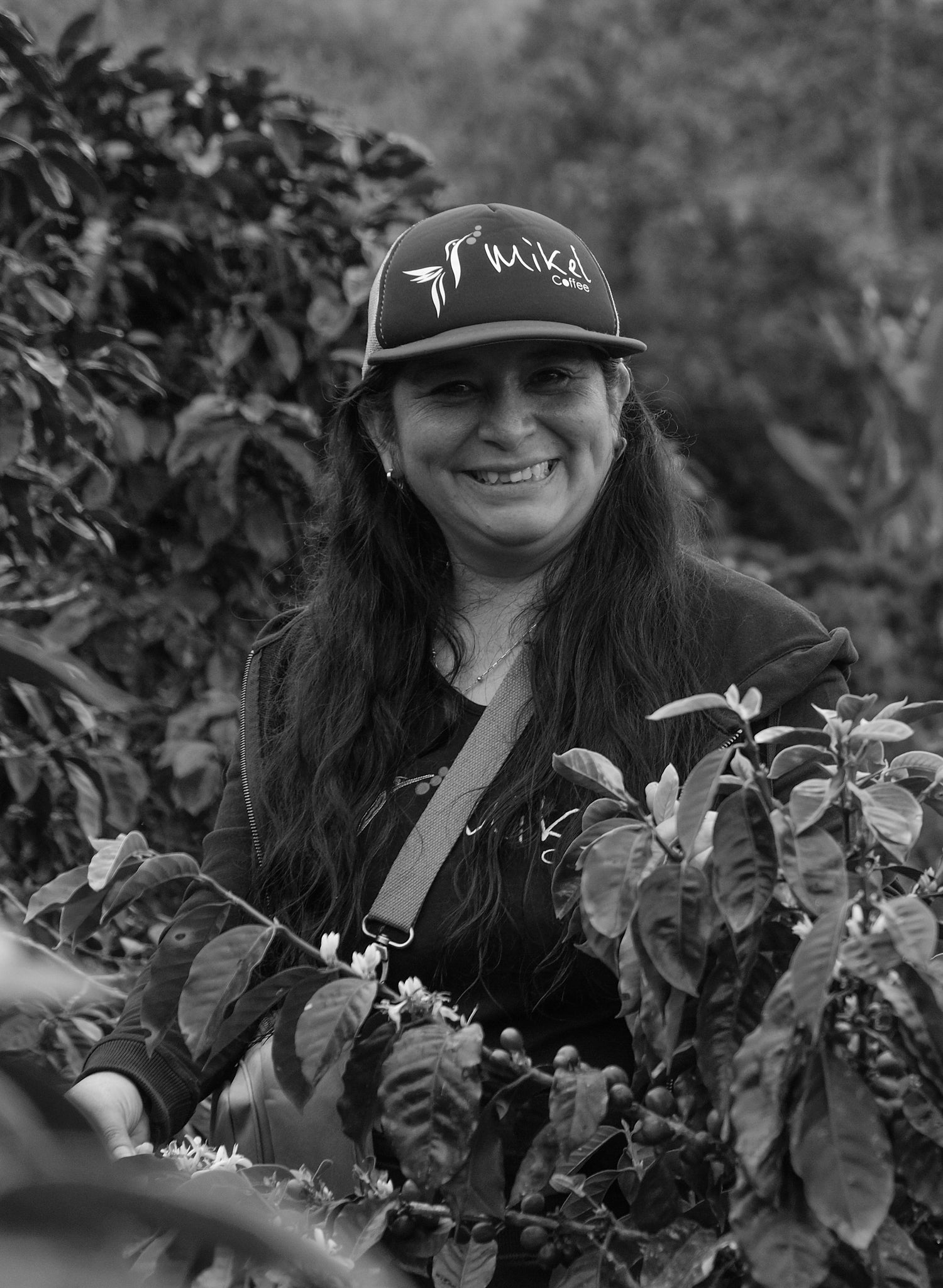
Cati Simón Polinar is a cornerstone of northern Peru’s coffee landscape; steady, sharp-minded, and deeply connected to the producers she supports through her fieldwork with Swift Coffee Sourcing. Few people understand the region’s agronomy, microclimates, and community networks as intimately as she does.
When she established her own project, she named it Finca Black Coffee in memory of her beloved black Labrador, a nod to loyalty and the quiet companionship that shaped her early years in coffee. With the support of her partner, Ángel Noriega, and his longtime collaborator, Dionicio—whose farm at Finca La Encañada faces hers across the valley—she planted young Arabica trees with meticulous attention to soil health, shade structure, and long-term productivity.
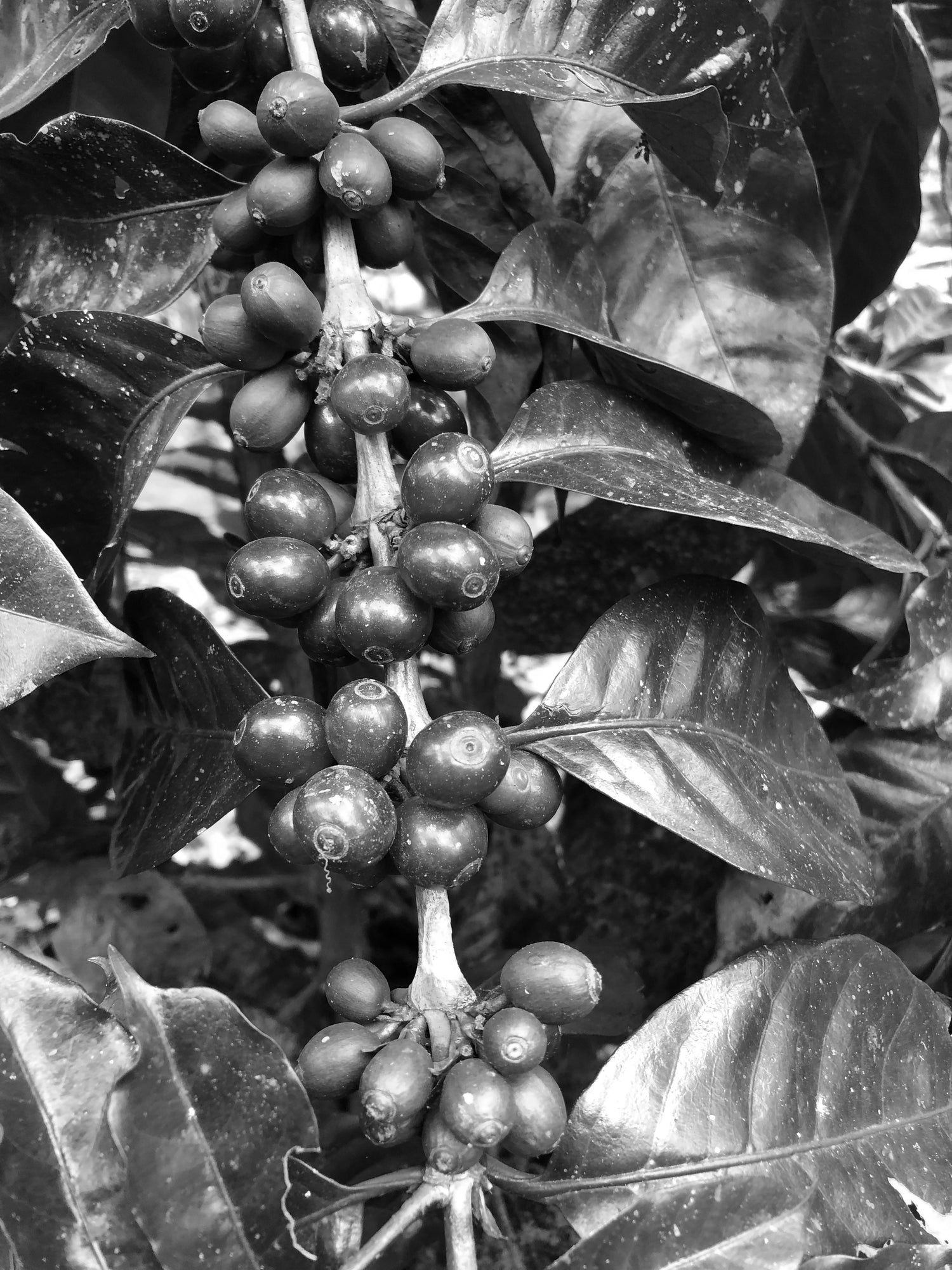
The 2025 harvest marks the farm’s first full production year. As these trees mature and as this exceptionally knowledgeable trio continues refining their processing, Finca Black Coffee is poised to become a reference point for quality in the Cajamarca highlands. This release represents its debut in the United States through Swift, and we’re honored to share the work, vision, and dedication behind it.
Collapsible content
Varietal
Bourbon is one of the most widely known and oldest varietals of Arabica. The varietal was introduced to and named after the island of Bourbon (now known as Reunion Island) by French missionaries from Yemen in the early 1700s. It spread through Africa and the Americas in the mid 1800s. Many varietals today have a lineage tied to the Bourbon varietal. Bourbon is known to have great cup quality but has medium-low volume per-plant production and is susceptible to all of the major coffee diseases.
Caturra is a naturally occurring dwarf mutation of Bourbon discovered in Brazil in the early 20th century. First identified on a plantation in Minas Gerais, it was selected and propagated for its compact size, which allows for denser planting and easier harvesting. By the mid-1900s, Caturra had spread throughout Latin America, becoming one of the most influential cultivars in the region’s coffee development.
Caturra maintains much of Bourbon’s cup potential, clean sweetness, balanced acidity, and approachable structure, while offering significantly higher yields per plant. Its compact stature, however, does not make it hardier: Caturra remains highly susceptible to leaf rust and other major coffee diseases. For many producers, it represents the classic tradeoff between cup quality and agronomic risk.
Pache is a natural dwarf mutation of Typica first identified in Guatemala in the mid-20th century, but it has since taken root across several Andean coffee regions, including Peru, where its adaptability at high elevations has made it a trusted cultivar among smallholder producers. Its compact growth habit allows for tighter planting density and easier farm management in the steep, terraced landscapes common to Peru’s coffee-growing zones.
In the cup, Peruvian Pache often reflects the hallmarks of its Typica lineage: clean sweetness, gentle florality, and a rounded, balanced acidity. While yields are moderate, the variety shares Typica’s susceptibility to leaf rust and other major coffee diseases, making careful farm-level management essential. Even so, Pache remains a meaningful part of Peru’s varietal mix, valued for its approachable cup profile, reliable performance at altitude, and roots in Latin America’s broader genetic heritage.
Processing
This coffee is fully-washed in the traditional Peruvian method. The coffee is harvested ripe, de-pulped upon arrival to the wet-mill and fermented for around 12 hours. The coffee is slowly dried on patios during the morning and early evening and covered during mid-day to protect from the strong sun and overnight to protect from mist and dew.
Terroir
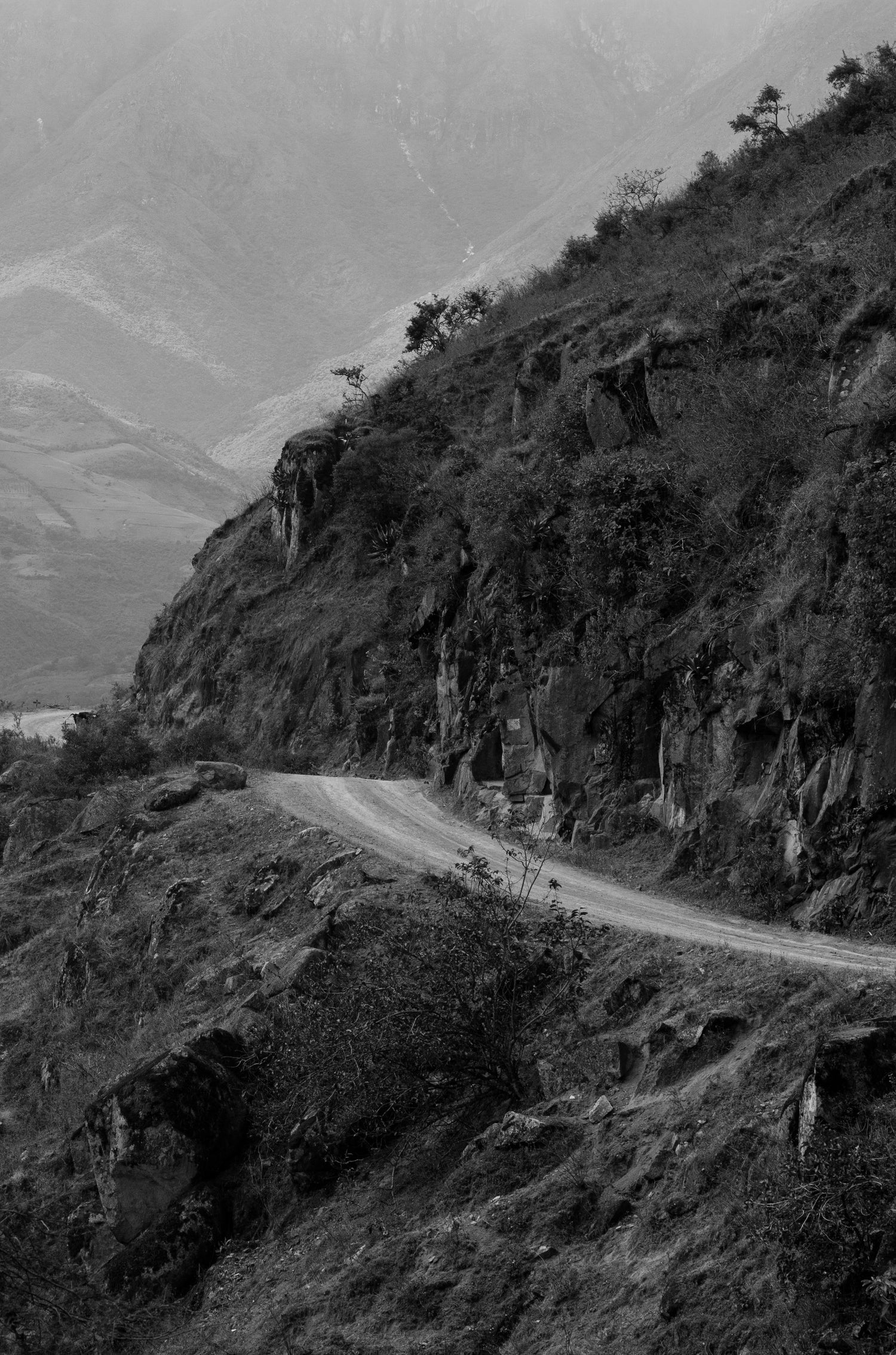
Rioja, Peru lies in the upper Mayo River basin of the San Martín region, where humid mountain forests, steady cloud cover, and elevations between 1,200 and 1,700 meters create a cool, slow-ripening environment ideal for Arabica cultivation. Coffee production expanded here through the 20th century, driven by smallholder communities planting Bourbon, Caturra, Typica, and more recently, Catimor-line varieties adapted to the zone’s high humidity and disease pressures. Well-structured alluvial soils, dense shade canopies, and a pronounced wet–dry rhythm support controlled cherry maturation and clean fermentation.
Coffees from Rioja typically show high aromatic lift and bright, malic-to-citric acidity, balanced by a lighter–medium body and flavor profiles that skew toward yellow fruits, florals, panela-like sweetness, and a gently herbal or tea-like finish. The region’s combination of Andean foothill climate and careful smallholder processing produces lots that are expressive, sweet, and increasingly recognized in Peru’s specialty landscape.